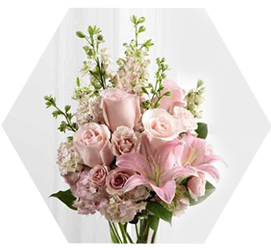
What Runnymede council rules mean for Chertsey floral tributes
Posted on 04/10/2026
When you are arranging floral tributes in Chertsey, the last thing you want is uncertainty. A wreath for a funeral, a small posy left in memory, or a larger tribute near a local memorial should feel thoughtful and respectful, not complicated. Yet council-managed spaces can have rules, quiet expectations, and practical limits that are easy to miss if you have never dealt with them before.
That is why understanding what Runnymede council rules mean for Chertsey floral tributes matters. It affects where flowers can be placed, how long they are likely to stay in position, and what kind of tribute is appropriate for the location. It also helps you avoid awkward moments, such as tributes being removed too soon, placed in the wrong spot, or looking out of place on a busy public path. Truth be told, a little local knowledge saves a lot of stress.
In this guide, we will break the topic down in plain English. You will learn how council guidance usually works, what to check before placing flowers, which tribute styles tend to suit different situations, and how to choose arrangements that are respectful, practical, and easy to manage in Chertsey's public spaces.
Quick takeaway: If the tribute is going into a council-managed area in or around Chertsey, the safest approach is to assume placement, size, timing, and removal matter just as much as the flowers themselves.
- Understand the likely council expectations before you order.
- Choose tribute styles that fit the setting and purpose.
- Avoid placement problems by planning timing and collection.
- Keep the tribute respectful, simple, and easy to maintain.
Table of Contents
- Why it matters
- How council rules work in practice
- Key benefits and practical advantages
- Who this is for and when it makes sense
- Step-by-step guidance
- Expert tips for better results
- Common mistakes to avoid
- Tools, resources and recommendations
- Law, compliance, standards and best practice
- Options, methods and comparison table
- Case study or real-world example
- Practical checklist
- Conclusion
- Frequently asked questions
Why What Runnymede council rules mean for Chertsey floral tributes Matters
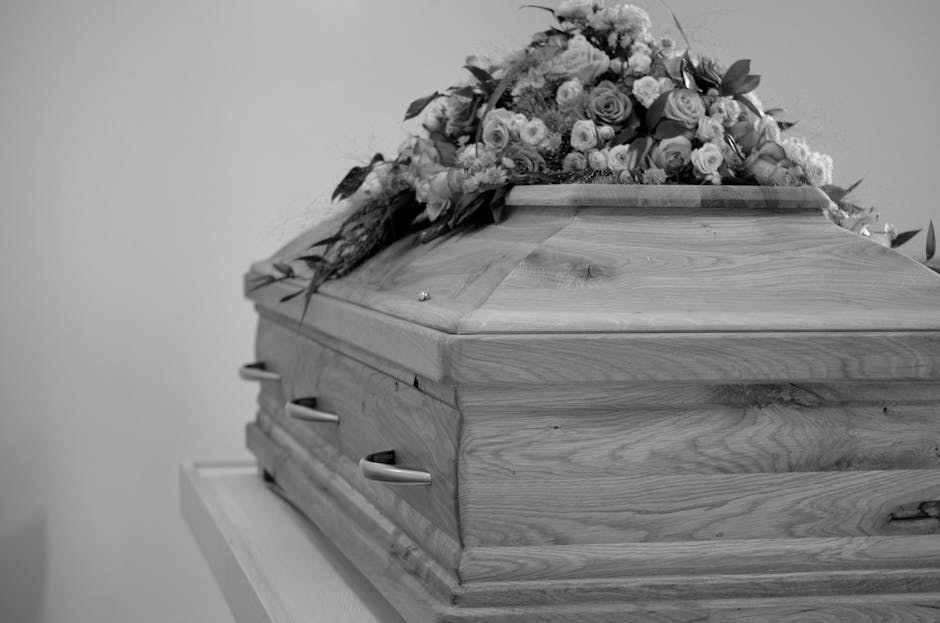
Public floral tributes are not just decorative. They are often personal, emotional, and time-sensitive. In a town like Chertsey, where people may place flowers near memorial points, cemeteries, churchyards, civic spaces, or roadside remembrance spots, council rules help keep things orderly and safe. That sounds dry, I know. But in practice it protects the tribute as much as the public space.
Runnymede council guidance, or the broader rules applied to council-managed land, usually exists to balance respect with practical maintenance. Flowers should not block access, create trip hazards, or interfere with mowing, cleaning, or other public services. If you have ever seen a row of wilted bouquets left in heavy rain, you will understand why councils set expectations around removal and placement. Nobody wants a heartfelt tribute to become litter by accident.
It also matters because different locations call for different choices. A compact bouquet may be perfect near a grave or memorial edge, while a larger wreath might suit a funeral service or formal remembrance. In contrast, loose stems or oversized arrangements can be harder to place safely in public areas. The right tribute is as much about context as sentiment.
Another reason this topic matters is timing. Floral tributes are often arranged quickly, especially after sad news. That sense of urgency can lead people to order first and ask questions later. But if the location has any restrictions, a rushed tribute may need repositioning or removal. Not ideal, especially when the flowers are meant to bring comfort. A quick check first usually prevents that messy little scramble.
How What Runnymede council rules mean for Chertsey floral tributes Works
At a practical level, council rules for floral tributes usually work in a few simple ways. They set expectations for where flowers may be left, how they should be presented, how long they may remain, and who is responsible for removing them when they fade.
In council-managed settings, the most common concerns are safety, access, and maintenance. That means the tribute should not obstruct footpaths, entrances, gates, drains, memorial plaques, or any area that needs regular upkeep. A small arrangement tucked neatly into a designated space is far less likely to be moved than something pushed onto a narrow ledge or scattered across the ground.
For Chertsey floral tributes, the format often matters as much as the flowers. A spray, wreath, posy, basket, or tribute lettering arrangement may all be suitable in different circumstances. The sensible choice depends on whether the tribute is for a funeral service, a personal memorial, or a public remembrance spot. For example, a compact sympathy arrangement from sympathy flowers is usually easier to manage in a shared space than a very wide display with loose wrapping or trailing accessories.
Council rules also tend to interact with local maintenance routines. If an area is regularly inspected or tidied, tributes may be collected once they deteriorate or after a certain period. That does not mean the tribute is unwelcome. It simply means the space has to work for everyone. To be fair, that is the reality of public places: even the most heartfelt gesture has to fit around bins, mowing, weather, and foot traffic.
There is also a difference between formal and informal placements. A funeral tribute delivered to a service venue is often managed by the family or funeral director, while flowers left in a public remembrance area may be subject to council care or notice periods. If you are unsure which category applies, it is safest to think, "Would this placement be easy for someone else to maintain?" If the answer is no, it probably needs a rethink.
Key Benefits and Practical Advantages
Following council guidance on floral tributes is not about being overly cautious. It is about making sure the tribute has the best chance of doing what it is meant to do: honouring someone properly.
Here are the main advantages:
- Respectful presentation: The flowers look intentional and appropriate for the setting.
- Less risk of removal: A well-placed tribute is less likely to be moved quickly.
- Better safety: Reduced chance of trip hazards, obstruction, or stray materials in public areas.
- Easier maintenance: Councils or caretakers can manage the space without disturbing the tribute unnecessarily.
- Stronger emotional impact: A neat, considered arrangement often feels more dignified.
There is another practical advantage that often gets overlooked: peace of mind for the person sending the flowers. If you know the tribute suits the location, you can focus on the meaning behind it rather than worrying whether it will be removed by lunchtime. That calm matters, especially when you are dealing with grief or trying to support someone else through it.
A local florist can also help you make a better call on size, shape, and flower choice. For example, a low, stable design may work better in a public memorial space than a tall arrangement that catches the wind. And if you need something delivered quickly, services such as same-day flower delivery in Chertsey can be useful when timing matters. Sometimes timing is everything, especially after a sudden loss.
Who This Is For and When It Makes Sense
This guidance is useful for a fairly wide group of people, and not just for funeral arrangements. If you are wondering whether it applies to you, the answer is probably yes if you are planning to leave flowers in or around a council-managed space.
People who commonly need this information
- Families arranging funeral flowers in Chertsey.
- Friends or neighbours leaving a sympathy tribute.
- People marking anniversaries, memorial dates, or remembrance days.
- Anyone placing flowers near a public memorial, roadside remembrance point, or civic location.
- Local residents sending flowers on behalf of a group, workplace, or community organisation.
It also makes sense if you are choosing between different tribute styles. A bouquet sent to a home address is not the same as a tribute intended for a public location. Nor is a loose hand-tied bunch the same as a structured floral piece. In our experience, people often realise this only at the last minute, after they have already chosen the flowers. Not a disaster, but a bit of a headache.
If you are arranging something for a more formal setting, such as a funeral service, you may want to look at dedicated funeral flowers in Chertsey rather than a general bouquet. That makes it easier to match the tribute to the moment and to the location's expectations.
This topic is especially relevant when:
- the flowers are going outside rather than being displayed indoors;
- the tribute needs to remain in place for more than a day;
- you are unsure whether the area is council-maintained;
- you want to avoid inconvenience to staff, visitors, or other members of the public;
- you need the arrangement to remain tidy in wet or windy weather.
Step-by-Step Guidance
If you are trying to get this right without making a mess of it, use a simple process. Nothing fancy. Just steady, sensible steps.
1. Confirm the location
First, decide exactly where the tribute will go. A cemetery plot, churchyard edge, memorial bench, town-centre remembrance site, or funeral venue each has different expectations. If the location is private, the rules may be controlled by the owner or venue rather than the council. If it is public land, assume some form of local oversight.
2. Choose the right tribute format
Think about whether a wreath, posy, spray, basket, or bouquet is the best fit. A sturdy design is often safer outdoors. If the flowers are going to be handled less, a more compact tribute usually works well. For a polished, traditional look, many people choose arrangements from the tributes collection.
3. Check size and stability
Large, loose, or top-heavy arrangements are more likely to move in wind or crowding. Low-profile designs tend to sit better on grass, memorial bases, or ledges. If the area is narrow, keep the footprint small. That one detail can save a lot of fuss later.
4. Select flowers that hold up well
Some flowers cope better than others in changing weather. Hardier options can be a better choice for outside placements, especially if the tribute may remain for a few days. If you want something that looks elegant and is still practical, many families lean toward structured sympathy styles, including sprays and wreaths.
5. Add wording carefully
If the tribute includes a ribbon or card message, keep it clear, simple, and respectful. Short messages often work best in memorial settings. There is no need to be too clever. Honestly, flowers do the heavy lifting.
6. Plan delivery timing
Delivery matters more than people expect. A tribute that arrives too early may be exposed to poor weather or crowded conditions. One that arrives too late may miss the service or the intended moment. Where possible, line the delivery up with the time the flowers will actually be placed.
7. Arrange for removal or review
If the tribute is going into a public space, decide who will check it later. Sometimes families take responsibility; sometimes the venue or council manages the area. Either way, it is better to have a plan than to leave it to chance.
Expert Tips for Better Results
A few small decisions make a big difference. You do not need to overthink every stem, but a little care goes a long way.
- Choose a stable base: Foam-free, well-balanced arrangements are easier to manage outdoors.
- Keep ribbons simple: Long, loose ribbon tails can flap around in wind and look untidy quickly.
- Use a sensible colour palette: Whites, creams, soft pinks, purples, and restrained mixed tones often suit remembrance settings well.
- Match scale to the space: A large arrangement can feel overwhelming in a small memorial area.
- Order with weather in mind: Rain, wind, and cold can all affect how long flowers stay fresh.
One thing I would always suggest is asking whether the tribute needs to be seen from a distance or appreciated up close. That changes everything. A roadside memorial might benefit from stronger colour contrast, while a private grave tribute may call for more delicate flowers. There is no single right answer. Just the right fit.
If you are unsure, a local florist can usually help you narrow it down. For example, a bouquet from a Chertsey florist can often be guided toward a memorial-appropriate style without losing the personal touch. That is often the sweet spot.
And if you are ordering on a tight budget, it is still possible to keep things tasteful. A carefully chosen arrangement from cheap flowers in Chertsey can look sincere if the design is neat and the colours are chosen well. Cost does not have to mean compromise. Not always, anyway.
Common Mistakes to Avoid
Most problems with council-managed floral tributes come down to simple, avoidable mistakes. Nothing dramatic. Just small oversights that become annoying fast.
- Leaving flowers in the wrong place. If there is a designated area, use it. If not, avoid blocking access or dropping them randomly on the ground.
- Choosing an arrangement that is too large. Big is not always better. In public spaces, oversized tributes can be awkward or unsafe.
- Ignoring weather conditions. Wind and rain can flatten delicate flowers quickly. A tribute that looked perfect at 9 a.m. may look rather tired by tea time.
- Using loose decorations that scatter. Small ornaments, fragile packaging, or light filler materials can create litter.
- Forgetting collection or maintenance. A tribute should still look respectful after a day or two, or there should be a plan to remove it.
- Assuming every site has the same rules. It does not. A churchyard, cemetery, and council-owned memorial area can all be different.
Another easy mistake is ordering flowers based purely on appearance online without thinking about the setting. A glamorous bouquet may be lovely at home, but not ideal if it is meant for a windy outdoor memorial. Sometimes the practical choice is the more dignified one. Quietly elegant tends to work.
Tools, Resources and Recommendations
You do not need a complicated toolkit for floral tributes, but a few resources and habits make the process much smoother.
Helpful things to consider
- A clear delivery address: Include precise location details so the tribute reaches the right place.
- Order notes: Mention whether the flowers are for a service, memorial, or grave-side placement.
- Weather awareness: Check the forecast before selecting an especially delicate design.
- Message card: Keep wording short, respectful, and easy to read.
- Follow-up contact: Make sure someone knows when and where the tribute will be placed.
If you need a broader floral option for a non-memorial occasion, the site also offers many general choices, including flower delivery in Chertsey and a range of styles for birthdays, thanks, sympathy, and remembrance. That can be useful if you are arranging more than one delivery at once.
For care after delivery, basic flower maintenance matters too. Fresh water, cooler rooms, and removing damaged stems can help arrangements last longer where they are displayed indoors first. If the flowers are going straight to an outdoor tribute, that is less relevant, but the general principle still stands: the fresher the flowers, the better they carry themselves.
You may also want to review the website's information pages on delivery, guarantees, and returns and refund so you know what to expect if the tribute needs attention. These pages can help set expectations before you order.
Law, Compliance, Standards, or Best Practice
This is one of those topics where careful wording matters. Council-managed flower placement is usually shaped by local policies, land use rules, maintenance practice, and general public safety expectations rather than by a single simple rule that covers everything. Because of that, it is best to treat any public tribute placement as something that should be respectful, tidy, and non-obstructive.
In practical terms, best practice usually means:
- do not block access routes or operational areas;
- keep the tribute stable and weather-resistant where possible;
- avoid materials that can spread, blow away, or create litter;
- be prepared for the tribute to be moved or removed if the space needs maintenance;
- use appropriate language and presentation for a memorial setting.
If the tribute is for a funeral or memorial service, the family, venue, or funeral director may have their own expectations as well. The safest approach is to work on the basis that public land is shared space. That does not make the tribute any less personal. It just means respect has to include everyone who uses the area.
Because policies can vary, it is wise not to assume one arrangement suits every location. A tribute that works beautifully in a chapel may not be suitable on a public verge or memorial bench. Small detail, big difference.
Options, Methods, or Comparison Table
Choosing the right tribute format is easier when you compare the main options side by side. The best choice depends on the setting, the message, and how long the flowers need to remain in place.
| Tribute type | Best for | Strengths | Things to watch |
|---|---|---|---|
| Wreath | Formal remembrance, funerals, public memorials | Recognisable, dignified, usually stable | Can be too large for small spaces |
| Spray | Funeral tributes, graveside arrangements | Elegant, structured, easy to present | May need careful positioning outdoors |
| Posy or basket | Smaller memorials, personal tributes | Compact, neat, easy to carry | Less visible in larger settings |
| Letter tribute | Names, initials, personalised remembrance | Highly personal and meaningful | Can be difficult to place if space is tight |
| Loose bouquet | Home delivery, informal sympathy | Flexible and simple | Less secure for outdoor public areas |
If you are leaning toward a formal memorial style, the funerals collection and dedicated tribute ranges can be especially helpful. If you want something more personal, letter tributes are often chosen for close family members or named memorials. The right method is the one that fits the place without feeling forced.
For a lot of readers, the decision comes down to this simple question: will the flowers stay neat where they are? If the answer is yes, you are on the right track.
Case Study or Real-World Example
A practical example helps here. Imagine a Chertsey family arranging flowers for a memorial service and then planning to leave a small tribute in a council-managed remembrance area afterwards. They want something tasteful, not overdone. The first instinct might be to choose a large mixed bouquet because it looks beautiful online. But once they think through the location, they realise the space is narrow and exposed to wind.
So they adjust. They choose a compact wreath with a simple message card, and they ask for delivery timed for the morning of the service. The tribute sits neatly, does not spill over the edge of the memorial space, and remains tidy long enough for family members to visit later in the day. Nothing flashy. Just right.
That small shift is a good example of what the council rules really mean in practice. They do not tell you to be less caring. They guide you toward a form of care that works in the real world. And let's be honest, that is often what people need most when emotions are running high.
In another common scenario, a neighbour wants to leave flowers after hearing about a loss, but is not sure whether the memorial site is public land. Choosing a more modest sympathy arrangement instead of a heavy display helps reduce the risk of placement issues. A simple, considered tribute from thinking of you flowers can sometimes say more than an elaborate display ever could.
Practical Checklist
Use this before you send or place the tribute. It is not fancy, but it works.
- Have I confirmed the exact location of the tribute?
- Is the area likely to be council-managed or publicly maintained?
- Does the tribute size suit the space?
- Will the arrangement stay stable in wind or light rain?
- Have I chosen flowers appropriate for a memorial setting?
- Is the message short, respectful, and clear?
- Have I timed delivery so the flowers arrive when needed?
- Do I know who will collect, review, or monitor the tribute later?
- Have I avoided loose items that could scatter?
- Does the tribute feel dignified rather than crowded or oversized?
One more thing: if you are not sure, go smaller and neater. That is rarely the wrong decision.
Conclusion
Understanding what Runnymede council rules mean for Chertsey floral tributes is really about making sure a meaningful gesture lands well in the real world. The best floral tribute is not simply the prettiest one. It is the one that suits the place, respects the setting, and still feels personal to the people who receive or see it.
Whether you are sending flowers for a funeral, placing a remembrance tribute, or choosing something for a public memorial in Chertsey, a little planning makes a big difference. Think about location, size, weather, timing, and maintenance. Keep the design dignified. Keep it practical. And if in doubt, ask for help before the flowers are ordered rather than after they are already on the way.
That way, the tribute does what it should do: quietly honour someone, without creating avoidable stress for anyone else. And really, that is enough.
Get a free quote today and see how much you can save.
Frequently Asked Questions
Can I leave flowers anywhere in Chertsey if they are for a tribute?
No, not safely. If the location is public or council-managed, you should assume there may be restrictions on placement, size, and duration. A neat tribute placed in the right spot is far less likely to be moved.
What kind of floral tribute is best for a council-managed memorial area?
Compact, stable arrangements usually work best. Wreaths, sprays, posies, and small baskets are often more suitable than large, loose bouquets because they stay tidy and are easier to maintain.
Do I need permission before placing flowers on public land?
It depends on the site. Some spaces are clearly designated for remembrance, while others are maintained for general public use. If you are unsure, it is sensible to check first rather than assume.
How long do floral tributes usually stay in place?
That depends on the location and local maintenance practices. In public areas, flowers may be removed once they fade or if the space needs cleaning or access. Timing varies, so it is best not to assume they will stay indefinitely.
Are certain flowers better for outdoor tributes?
Yes. Hardier flowers and sturdier arrangements are usually better outdoors because they cope more effectively with wind, rain, and temperature changes. Delicate blooms can still be used, but they may not last as long.
What should I write on a tribute card?
Keep it short and sincere. Simple wording such as a name, a message of sympathy, or a phrase of remembrance usually feels more appropriate than a long note in a memorial setting.
Can I order a floral tribute at short notice in Chertsey?
Yes, often you can. Same-day options may be available depending on the time of day and the type of tribute. Short-notice delivery is useful, but it is still worth checking that the chosen arrangement suits the intended location.
What happens if my tribute is too large for the space?
It may need to be moved, adjusted, or removed. That is why size and placement matter so much. A more modest arrangement often works better than a large display that overwhelms the area.
Is there a difference between funeral flowers and public memorial flowers?
Yes. Funeral flowers are usually designed for a service or grave-side setting, while public memorial flowers need to cope with shared-space rules and maintenance needs. The two are related, but not identical.
How do I choose between a wreath, spray, or bouquet?
Think about the setting first. Wreaths are traditional and stable, sprays are elegant and structured, and bouquets are flexible but less secure outdoors. The location should guide the format.
Can a florist help me choose a tribute that fits the rules?
Definitely. A good florist will usually help you balance appearance, practicality, and the likely expectations of the location. That guidance is especially useful if you are arranging flowers quickly or for a public site.
What if I want something personal but still practical?
You can combine the two by choosing a personal message, a meaningful colour palette, or a tribute style tied to the person's memory, while keeping the overall shape tidy and easy to maintain. Personal does not have to mean complicated.
If you are planning flowers in Chertsey and want them to feel right first time, choose the tribute with the place in mind, not just the picture in your head. That small bit of care tends to shine through, quietly and beautifully.